
1. Institutional Benchmarking & Educational Exchange
- Classroom Innovation & Administration: To gain first-hand insights into the infrastructural and pedagogical methodologies of the Tibetan education system. By visiting a local primary school, principals can observe modern smart-board integration, dual-language instructional frameworks (Mandarin and Tibetan), student engagement strategies, and resource management models.
- Peer-to-Peer Dialogue: To engage in professional roundtable discussions with local school headmasters, fostering a bilateral exchange of cross-border academic ideas, administrative best practices, and holistic student development strategies.
2. High-Altitude Experiential Group Management & Risk Assessment
- Standard Operating Procedures (SOPs) for Student Travel: To experience and evaluate the precise logistical, medical, and administrative demands of organizing large-scale student expeditions across an international high-altitude border.
- Altitude Acclimatization Mastery: To study and implement first-hand altitude mitigation protocols (such as the deliberate staging of elevations from 2,790m up to the 4,100m sleeping threshold). This allows school leaders to assess physical tolerance and group safety dynamics, which are critical competencies for designing future student trekking and adventure programs.
3. Curricular Enrichment (STEM & Heritage Fusion)
- Indigenous Science & Botanical Study: To explore the intersection of traditional wisdom and modern science through an exclusive academic lecture at the Tibetan Medicine Hospital. This provides educators with a practical blueprint for incorporating indigenous knowledge systems and Sowa Rigpa concepts into their school’s science or STEM curricula.
- Trans-Himalayan Ecological & Environmental Science: To observe and analyze the direct impacts of climate change, glaciology, and alpine water conservation through field stops at the Karola Glacier, Yamdrok Lake, and the Everest Region. This serves as primary research for updating environmental and geography studies in their home institutions.
4. Cultural Preservation & Socio-Historical Analysis
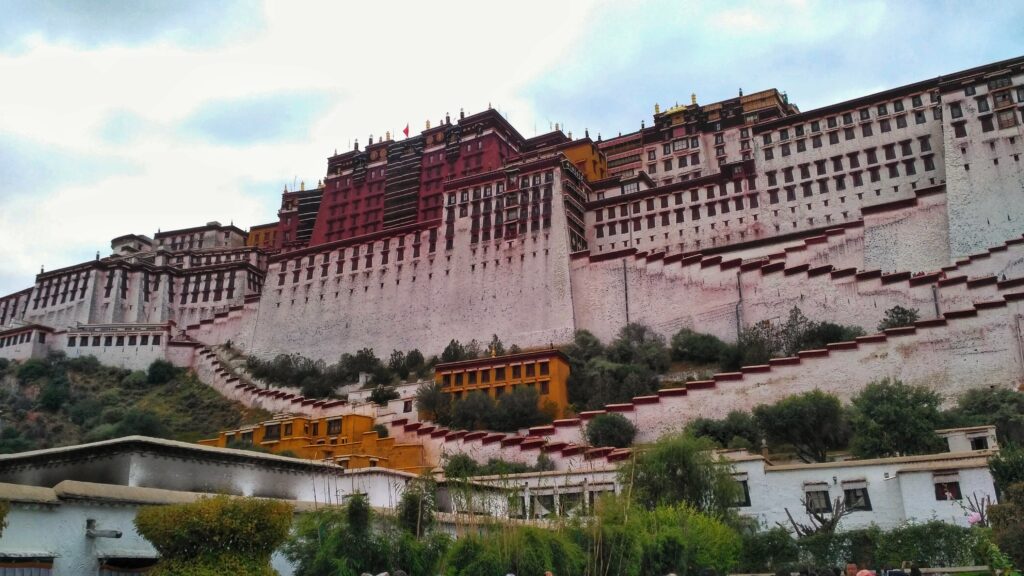
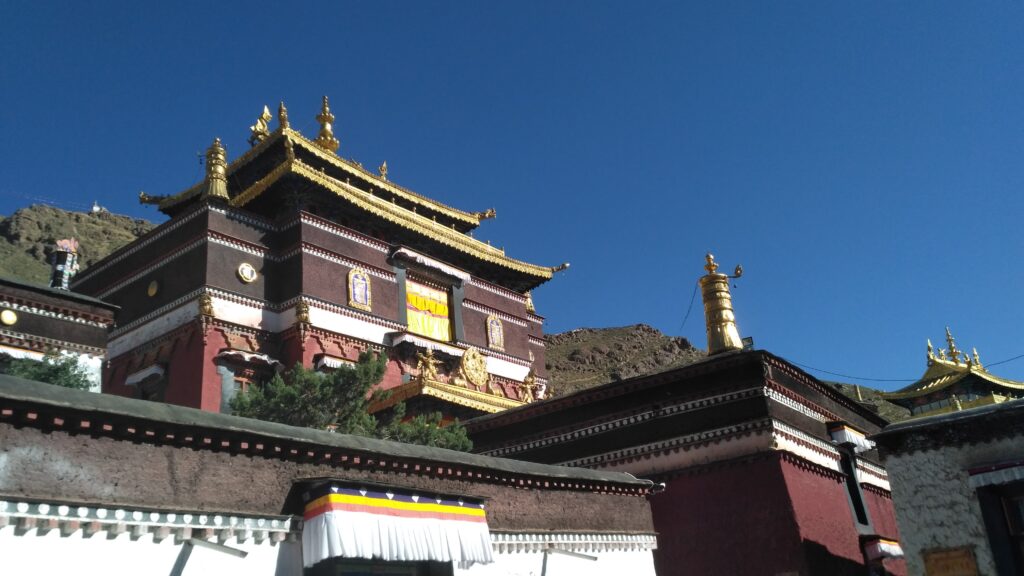
- Living Heritage Architecture: To analyze 17th-century monumental engineering, cultural conservation policies, and large-scale administrative frameworks by evaluating massive historical and religious institutions like the Potala Palace and Tashilhunpo Monastery.
- Experiential Arts Integration: To participate directly in masterclasses for classical Tibetan handwriting and Thangka painting geometry. The objective is to understand how traditional creative arts can be structured as immersive, hands-on learning modules to cultivate regional cultural appreciation among students back home.
Potala Palace & Red Palace: A deep dive into a 13-story vertical labyrinth of history, focusing on mural galleries that serve as visual textbooks and exploring how spiritual leadership is honored.
Mentsikhang (Tibetan Medicine Hospital): An exclusive meeting with senior faculty to explore Sowa Rigpa—a holistic medical system integrating psychology, astrology, and biology.
Sacred Arts Workshops: Hands-on experience in a Calligraphy Lab using traditional bamboo pens and soot-based ink to enhance focus, alongside studying the multi-year discipline of Thangka painting masters.
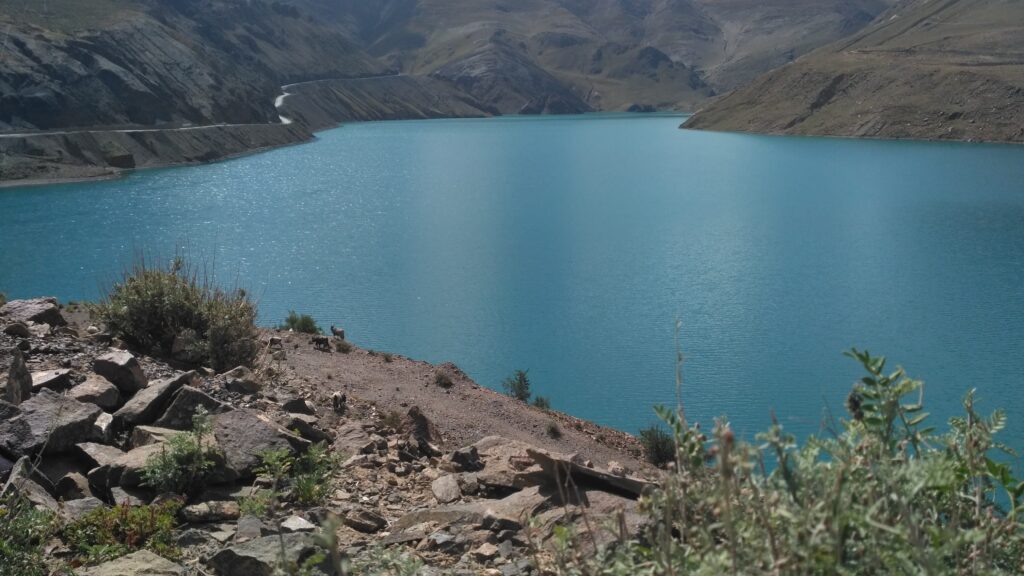
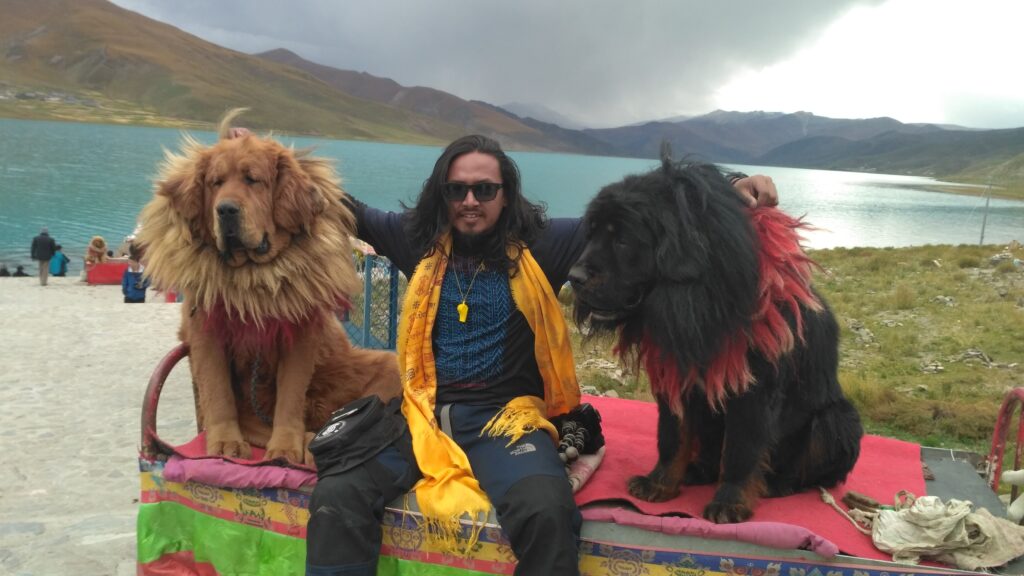
Glaciology & Conservation Experiential Learning: A visit to the turquoise waters of Yamdrok Lake (“Coral Lake”) and standing just meters from the ice of the Karola Glacier to witness historical dust layers and discuss climate literacy.
Academic Board Exchange: A formal, sit-down meeting with the Shigatse school board to discuss critical contemporary education issues like bilingualism, digital integration in remote regions, and teacher retention.
Everest Base Camp & Leadership Reflection: A journey to the Rongbuk Monastery area at 5,000 meters for a sunset leadership reflection, using the grit and resource management required to reach the world’s highest peak as a metaphor for educational goals.
The Great Debate at Tashilhunpu Monastery: Witnessing the high-energy, physical debate style (including strategic hand claps and stances) of a massive monastic university to study ancient Socratic Inquiry models.
High-Speed Bullet Train: Traveling along the Shigatse-Lhasa rail line to experience the infrastructure of the New Silk Road and discuss its impact on educational access.
Princess Wencheng Show: An massive evening outdoor performance featuring a cast of 500 people and hundreds of animals (including 100 sheep, 50 horses, and 25 yaks) demonstrating a grand spectacle of tradition meeting modern scale.
Day 1: Departure from Kathmandu to the Frontier
- 08:00 AM: Departure from Kathmandu in a private, comfortable coaster bus. The route follows the Pasang Lhamo Highway, offering scenic but winding terrains through Trishuli and Dhunche.
- Institutional Context: This overland leg serves as an excellent case study in cross-border infrastructure, logistics, and student safety coordination for future school expeditions.
- Evening: Arrival at Timure (Rasuwa Gadhi border zone).
- Overnight: Standard Guest House/Hotel in Timure.
- Briefing: Evening orientation regarding Chinese immigration protocols, biometric checks, and customs declarations.
Day 2: Crossing the Threshold & Initial Acclimatization
- Morning: Complete Nepal emigration formalities at Rasuwa Gadhi, cross the Friendship Bridge, and meet the Tibetan Guide and Driver at the China Kyirong Border entry point. Proceed through Chinese Immigration and Customs.
- Drive: Transition from the border to Kyirong Town (Altitude: 2,790m | Distance: 24 km).
- Afternoon: Leisurely walking tour of Kyirong Town (often called the “Valley of Happiness”).
- Institutional Focus: Mandatory Acclimatization Protocol. As educational leaders, managing altitude onset is a critical risk-management competency. Principals will experience first-hand the early stage stabilization required before ascending to the Tibetan plateau.
- Overnight: Standard 3-Star Hotel in Kyirong Town.
Day 3: Ascending the High Plateau
- Morning to Evening: Drive from Kyirong Town to Shigatse (Altitude: 3,850m | Distance: 450 km | Approx. 7–8 hours).
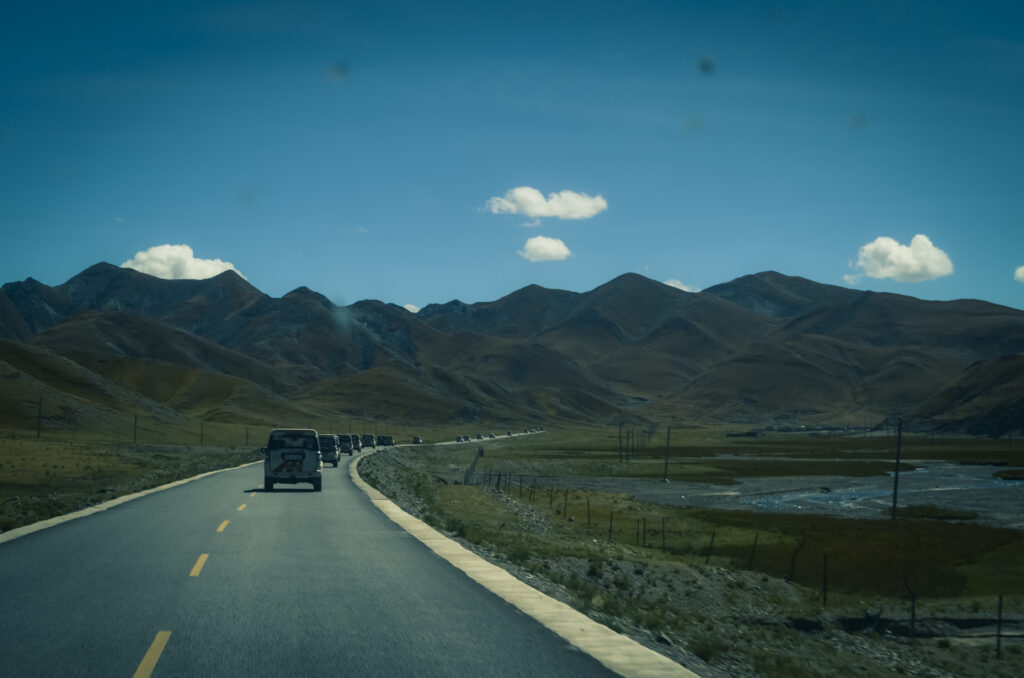
- The Route: Drive past the majestic Mt. Shishapangma (8,027m) and cross the high-altitude mountain passes of Kong Tso and Mu La. Enjoy expansive views of the dry, mesmerizing Tibetan Plateau.
- Evening: Arrive in Shigatse, the second-largest city in Tibet.
- Overnight: 4-Star Accommodations in Shigatse (equipped with supplemental oxygen options if required).
Day 4: Institutional Benchmarking & High-Speed Rail Transition
- 09:00 AM – 11:30 AM: Local Primary School Institutional Visit
- Objective: An exclusive academic immersion session at a local Shigatse Primary School. Principals will observe classroom layouts, smart-board integration, bilingual instructional frameworks (Tibetan and Mandarin), and local administrative models.
- Interaction: A brief roundtable dialogue with the school headmaster focusing on student engagement, resource allocation, and holistic development.
- 12:30 PM: High-Speed Rail Experience
- Board the modern, oxygen-regulated high-speed train from Shigatse to Lhasa (Altitude: 3,650m | Travel Time: Approx. 2 hours).
- Pedagogical Value: Observation of public infrastructure connectivity, technological efficiency, and large-group transit management.
- Afternoon: Modernization & Consumer Science Study
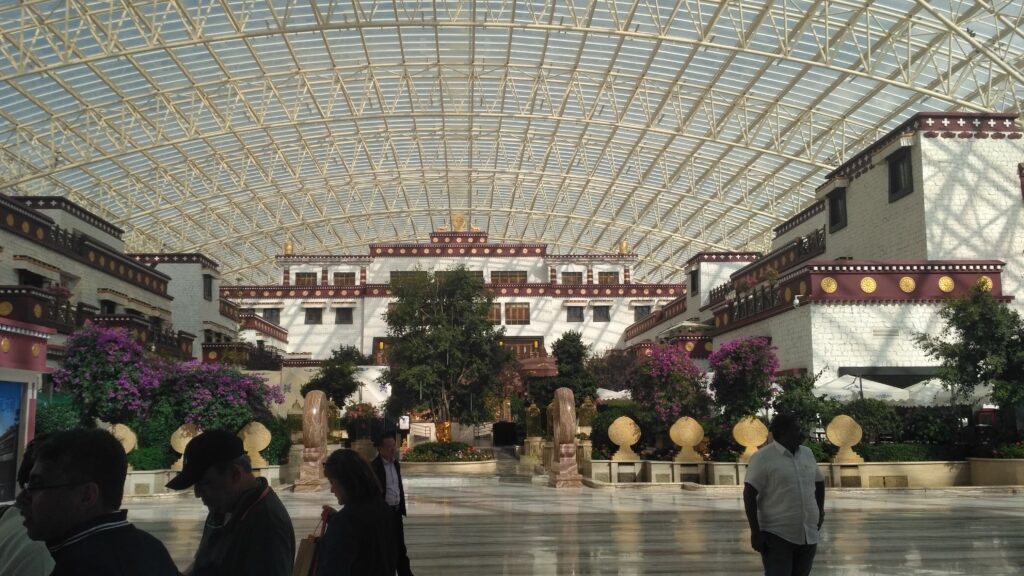
- Drop off at Lhasa Wanda Plaza (Wanda Mall). This session focuses on observing urban modernization, commercial development, and contemporary lifestyle paradigms in modern Tibet—crucial context for educators teaching global studies.
- Overnight: Centrally located 4-Star Hotel in Lhasa.
Day 5: The Pillars of Heritage and Traditional Science
- Morning: Architectural & Historical Exploration of Potala Palace
- Visit the UNESCO World Heritage site and Winter Palace of the Dalai Lama.
- Academic Focus: Analysis of 17th-century monumental architecture, structural engineering on Marpo Ri hill, and the preservation of ancient political and religious history.
- Afternoon: Traditional Science Lecture at the Tibetan Medicine Hospital
- Attend an exclusive private lecture hosted by a senior Professor/Sowa Rigpa practitioner.
- STEM Integration: Understanding the systemic, botanical, and philosophical foundations of traditional Tibetan medicine (Sowa Rigpa). This session serves as a blueprint for incorporating indigenous knowledge systems into school science curricula.
- Overnight: 4-Star Hotel in Lhasa.
Day 6: Deep Cultural Immersion & Arts Masterclass
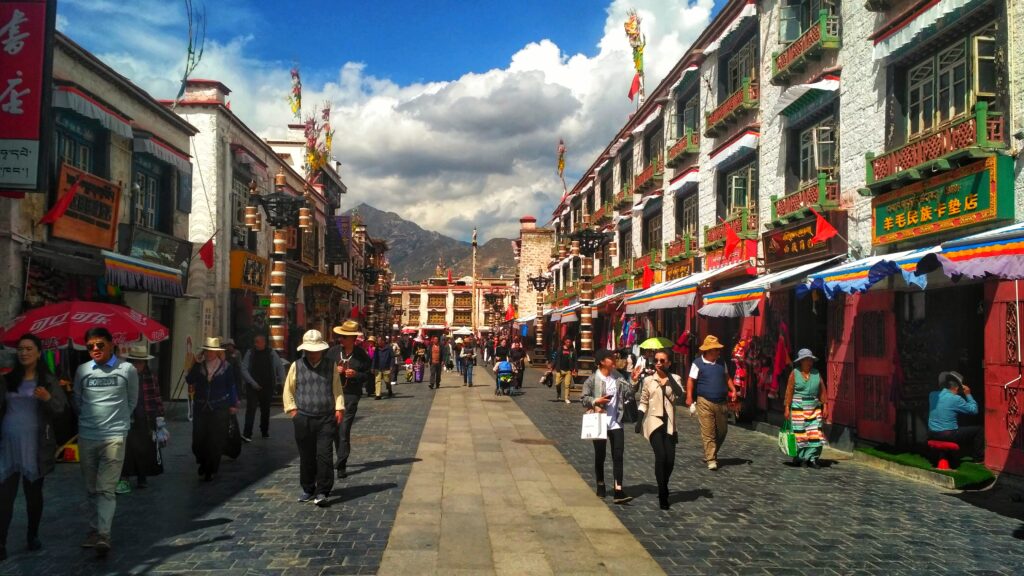
- Morning: The Sacred Center – Jokhang Temple & Barkhor Street
- Explore the spiritual heart of Lhasa, housing the continuous 12-year-old Shakyamuni Buddha statue. Walk the circumambulation path alongside local pilgrims.
- Afternoon: Creative Arts & Heritage Workshop
- Session A: Tibetan Handwriting Masterclass. Principals participate in a hands-on session learning the stroke orders and aesthetic principles of the classical Uchen or Ume scripts using traditional bamboo pens.
- Session B: Thangka Painting Observation & Practice. A guided seminar into the geometry, pigments, and deep meditation required to execute sacred canvas art.
- Curricular Takeaway: Designing immersive cultural arts modules for Nepalese schools to foster regional appreciation.
- Overnight: 4-Star Hotel in Lhasa.
Day 7: The Trans-Himalayan Ecological Study
- Morning to Afternoon: Drive from Lhasa back to Shigatse via the Southern Route (Distance: 360 km | Approx. 7 hours).
- Field Highlights:
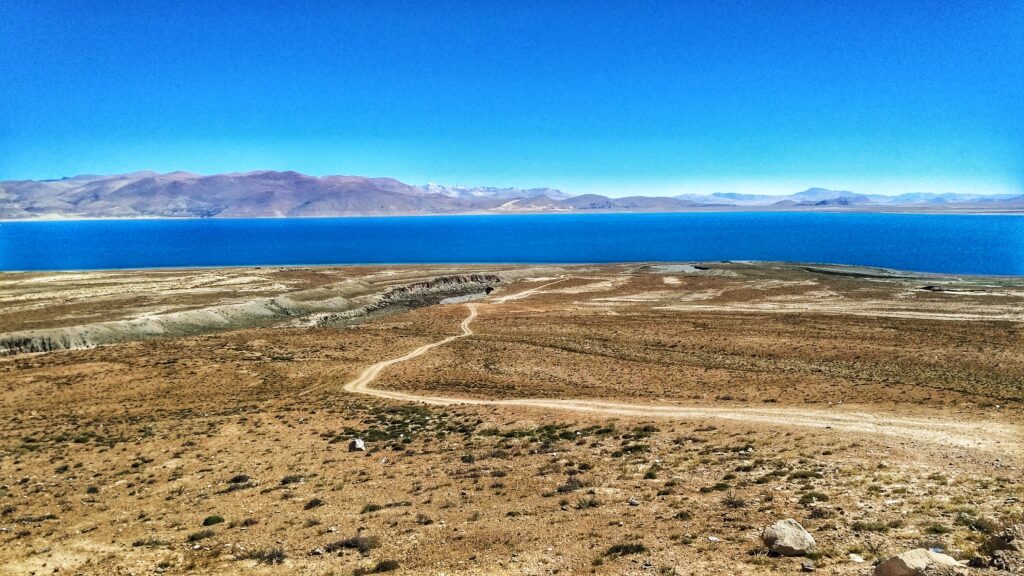
- Yamdrok Lake (4,441m): A spectacular stop at one of Tibet’s three sacred lakes to analyze alpine water ecosystems, conservation policies, and eco-tourism frameworks.
- Karola Glacier (5,015m): A roadside encounter with a massive, pristine glacial tongue. Excellent for discussing climate change, glaciology, and Himalayan environmental shifts first-hand.
- Overnight: 4-Star Hotel in Shigatse.
Day 8: Monastic Administration & Everest Base Camp Command
- 09:00 AM: Tashilhunpo Monastery Institutional Review
- Visit the historic seat of the Panchen Lama. Beyond the cultural grandeur of the Future Buddha statue, the focus here is on the intricate administrative, preservation, and logistical management of a massive living heritage institution.
- Afternoon: Journey to the Roof of the World
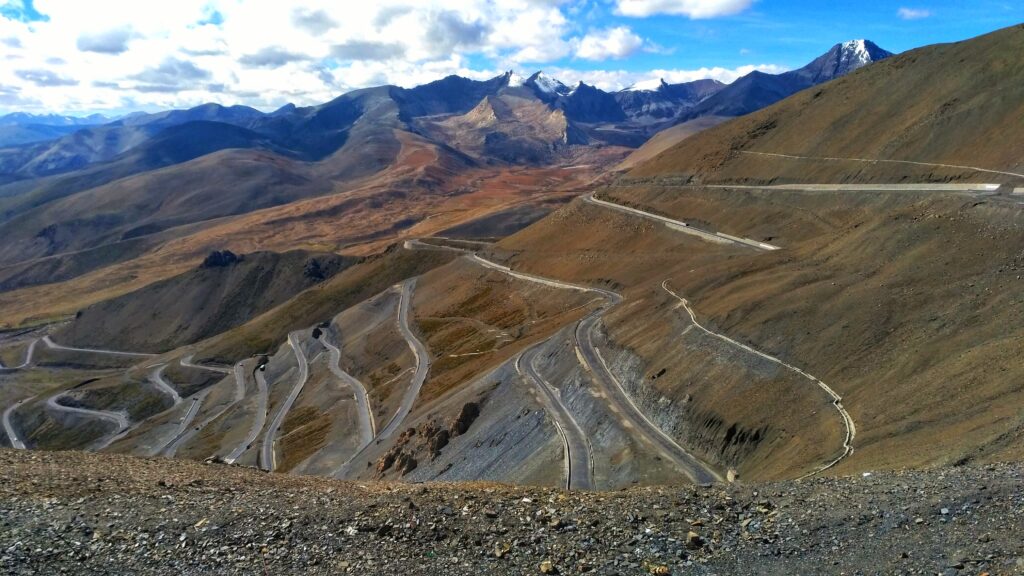
- Drive from Shigatse to the Everest Region (Distance: 340 km | Approx. 6-7 hours), traversing the Gyatso La Pass (5,220m) where the Central Himalayas reveal themselves.
- Evening: Arrival at Pasum Village (Altitude: 4,100m). Located in the valley just outside the immediate EBC ecological core, this village offers a much safer, lower altitude for sleeping compared to the 5,200m tent city, ensuring the health of senior administrators.
- Overnight: Community Lodge / Eco-Hotel in Pasum Village.
Day 9: Majestic Vistas & Descent to the Gorge
- Early Morning: Brief excursion to the North Face Everest Base Camp viewing area / Rongbuk Monastery area for a sunrise perspective of Mt. Chomolungma (8,848m).
- Late Morning to Evening: Long drive from Pasum Village down to Kyirong Town via Gara Village (Distance: 340 km | Approx. 7 hours).
- Geographical Transition: Watch the dramatic landscape shift from barren, high-altitude desert plateaus back down to the lush sub-tropical gorges of the Kyirong Valley (2,790m).
- Overnight: 3-Star Hotel in Kyirong Town (celebratory debriefing dinner).
Day 10: Repatriation & Evaluation
- Morning: Drive the final 24 km from Kyirong Town to the China-Nepal border.
- 10:00 AM: Clear Chinese Customs and Immigration exit checks. Cross the bridge back to Rasuwa Gadhi, Nepal.
- Afternoon: Board private Nepalese transportation for the return drive back to Kathmandu. Arrive in the evening, concluding the high-level educational mission.
Service includes
- Overnight accommodations in hotel with daily breakfast and dinner
- Lunch enroute
- All Necessary Tibet Travel Permits
- A Local English speaking Tibetan Tour Guide
- Entrance Ticket of above Sightseeing
- Goverment Tourist Licence Vehicle
- Mineral water & Oxygen cylinder in bus
- Train first class seat ticket
- Travel and Health insurances
- China Visa Fee
Service excludes
- Vat @ 13% not included
- Any extra fees due to unforeseen events such as road blockage, flight delays or events which are out of our controls
- Flight delays or cancellation due to adverse weather condition or potical upheavel
- Tips to the Guide & Driver
- FINE for venturing into prohibited area
- All the rest which are not mentioned under the service inclusive section
- China Visa Cancellation fee
1. Visas & Paperwork (The Administrative Gateway)
Q: I already have a valid individual Chinese Tourist/Business Visa in my passport. Can I just use that to cross the border?
- The Reality: No. Under the current border regulations, if you enter Tibet via the land border from Nepal, you must obtain a specific Chinese Group Visa issued by the Chinese Embassy in Kathmandu.
Q: What is the timeline for processing permits, and do I have to submit my original passport?
- The Blueprint: The current 2026 process acts as a strict digital matrix requiring a 20-day lead time.
- We submit high-resolution scans to Lhasa for your Tibet Travel Permit (TTP) and Alien’s Travel Permit (ATP)
- The Buffer: You must be physically present in Kathmandu at least 7 working days before departure to surrender your original passport to the Chinese Embassy for facial recognition scanning and final Group Visa stamping.
2. Health & Altitude Safety (The Duty of Care)
Q: This itinerary crosses high mountain passes and reaches 4,100m. What safety protocols are in place for senior academic leaders?
- The Protocol: Our routing is meticulously structured for physiological staging. We stay at 2,790m (Kyirong) on Night 2 specifically to allow your body to stabilize before ascending to Shigatse (3,850m).
- The Safeguards: We do not sleep at the Everest Base Camp tent city (5,200m)—which is highly risky for unacclimatized groups. Instead, we descend to Pasum Village (4,100m) for a safer sleeping environment.
- All tour vehicles carry dedicated supplemental oxygen cylinders, and our Tibetan guides are strictly trained in high-altitude triage and immediate descent procedures.
Q: What kind of travel insurance is required for this trip?
- The Requirement: Every participant must secure an international travel insurance policy that explicitly covers high-altitude emergency evacuation and medical care up to 6,000 meters. Standard travel insurance policies usually cap out at 2,500m or 3,000m and will not cover you on the Tibetan plateau.
3. Educational & Institutional Specifics
Q: Is the Primary School visit a generic tour, or can we choose specific areas to focus on?
- The Scope: The visit is designed for institutional benchmarking. While the core structure is fixed, we coordinate with the local Shigatse school administration beforehand. If your delegation has specific interests—such as observing early-childhood language acquisition, modern smart-board infrastructure, or STEM lab designs—we can request the hosting Headmaster to highlight those components during our roundtable dialogue.
Q: Is it appropriate to bring gifts for the schools and institutions we visit?
- The Etiquette: Yes, highly encouraged. It aligns perfectly with regional academic diplomacy. We advise bringing compact, professional, and culturally unique tokens from Nepal—such as packaged high-grade orthodox tea, traditional brass handicrafts, or custom mementos bearing your own school’s crest to exchange during the roundtable.
4. Logistics, Connectivity, & Lifestyle
Q: Will we be able to communicate with our schools and families back in Nepal while in Tibet?
- The Digital Infrastructure: Tibet has widespread 4G/5G coverage, including on the high-speed rail and at Everest Base Camp. However, mainland China’s internet framework blocks standard Western/Google services (WhatsApp, Gmail, Google Maps, Facebook).
- The Solution: All principals must download WeChat before departure for seamless internal group communication. For accessing home emails or services, individuals must set up a premium, reputable VPN service on their devices before crossing the border.
Q: What is the physical demand of the itinerary? Is there strenuous walking?
- The Physical Pacing: The tour is categorized as moderate. The high-speed rail and private coaster buses handle the major transit smoothly. The main physical exertion occurs at the Potala Palace, which involves climbing roughly 300 stone steps to reach the top. We pace this climb slowly with frequent rests to accommodate altitude pressure.